FORT ROSS
Open Every Day 10:00 am - 4:30 pm
Sonoma Coast Treasure
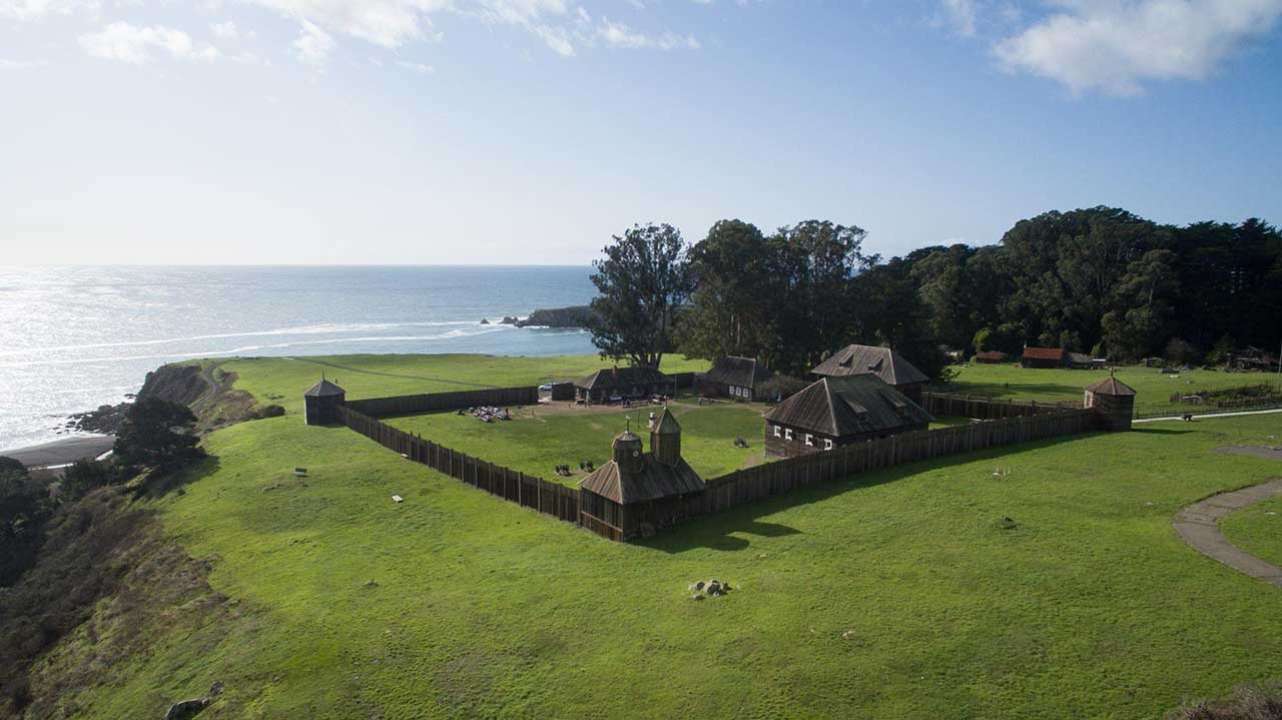
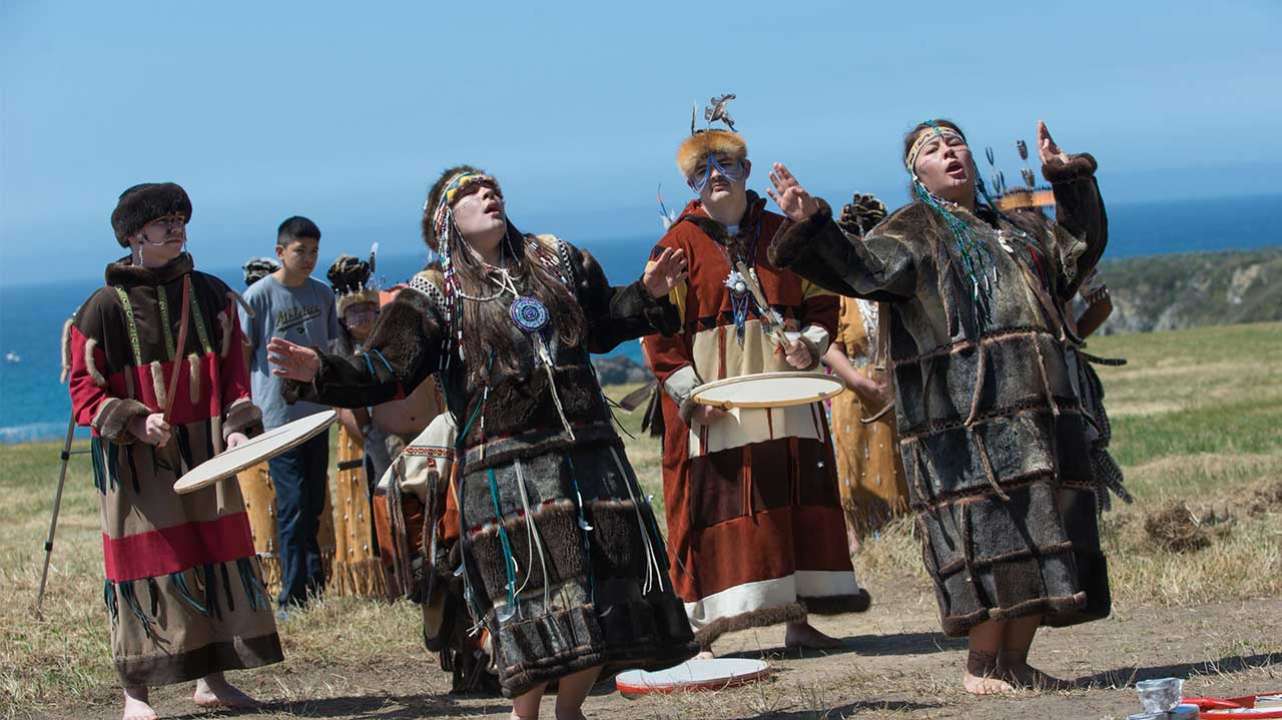
Events, tours, what to see & do, hours/days of operation, bookshopPlan your visit
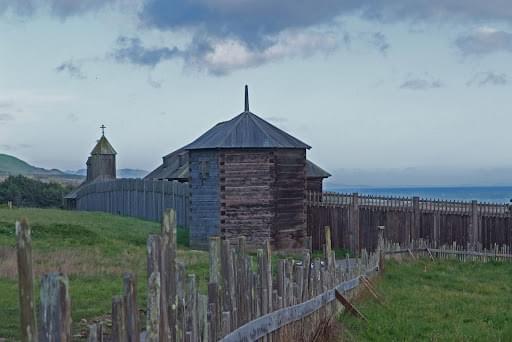
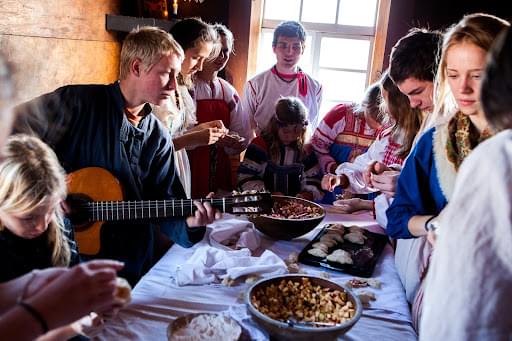
Do a project; spend the night Experience 19th century Fort Ross Our annual conference, bringing together Russians, Americans, and Russian AmericansService Projects & Scouts
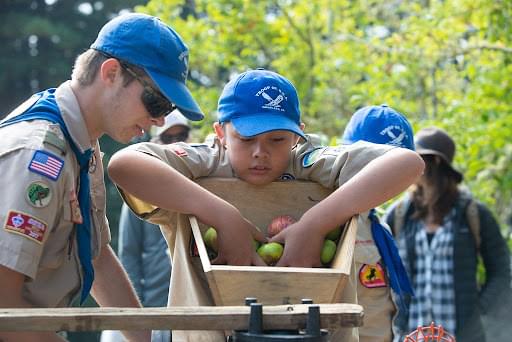
Family Camp
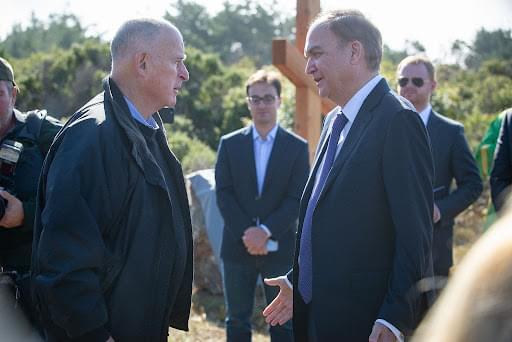
Fort Ross Dialogue
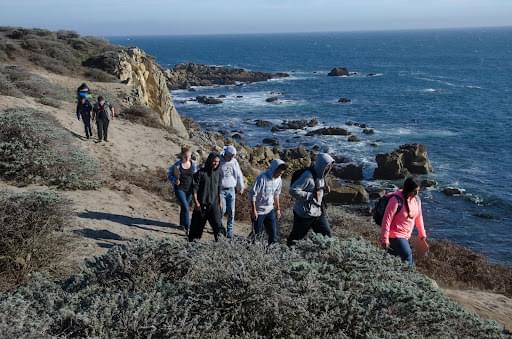
Customized programs on marine ecology or the cultural history of Fort RossEDUCATIONAL PROGRAMS
Sign up to receive our monthly Fort Ross Conservancy newsletter Subscribe

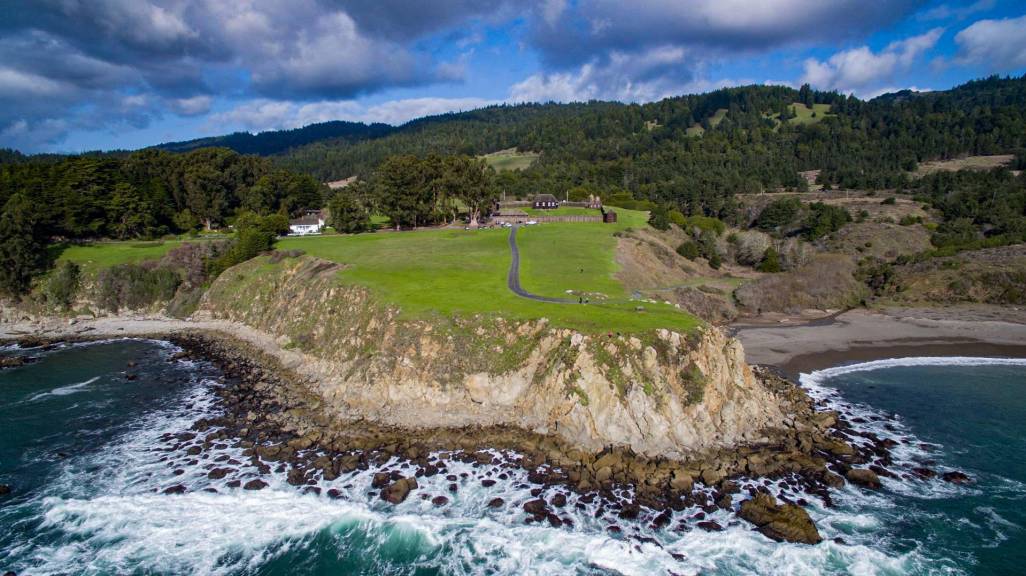
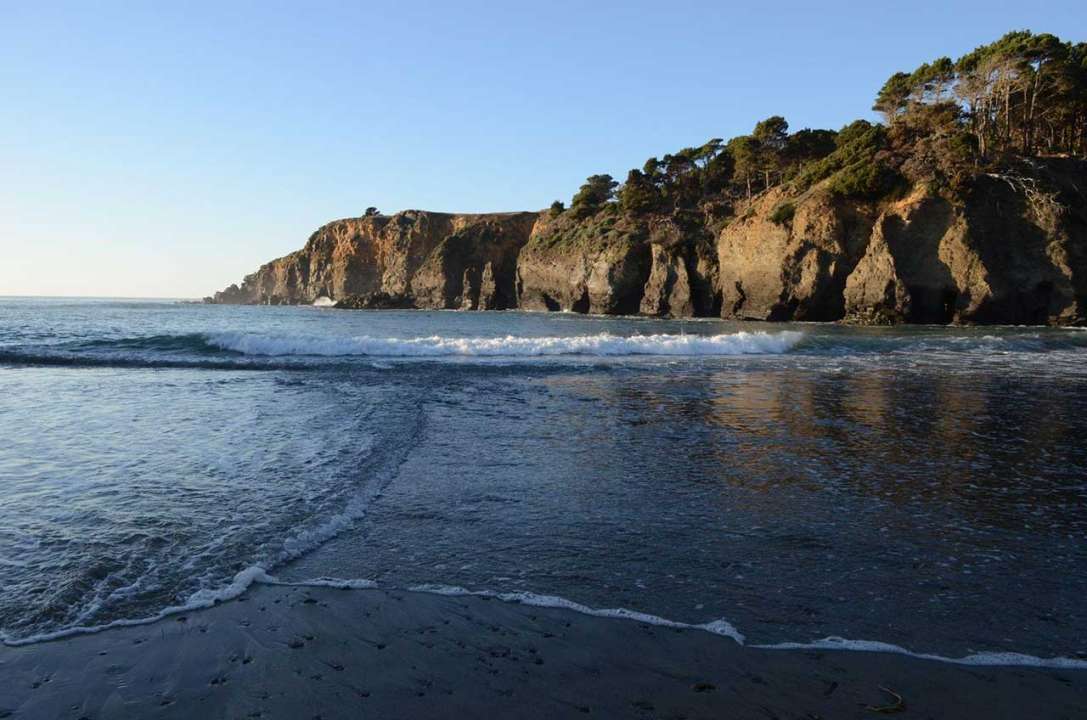
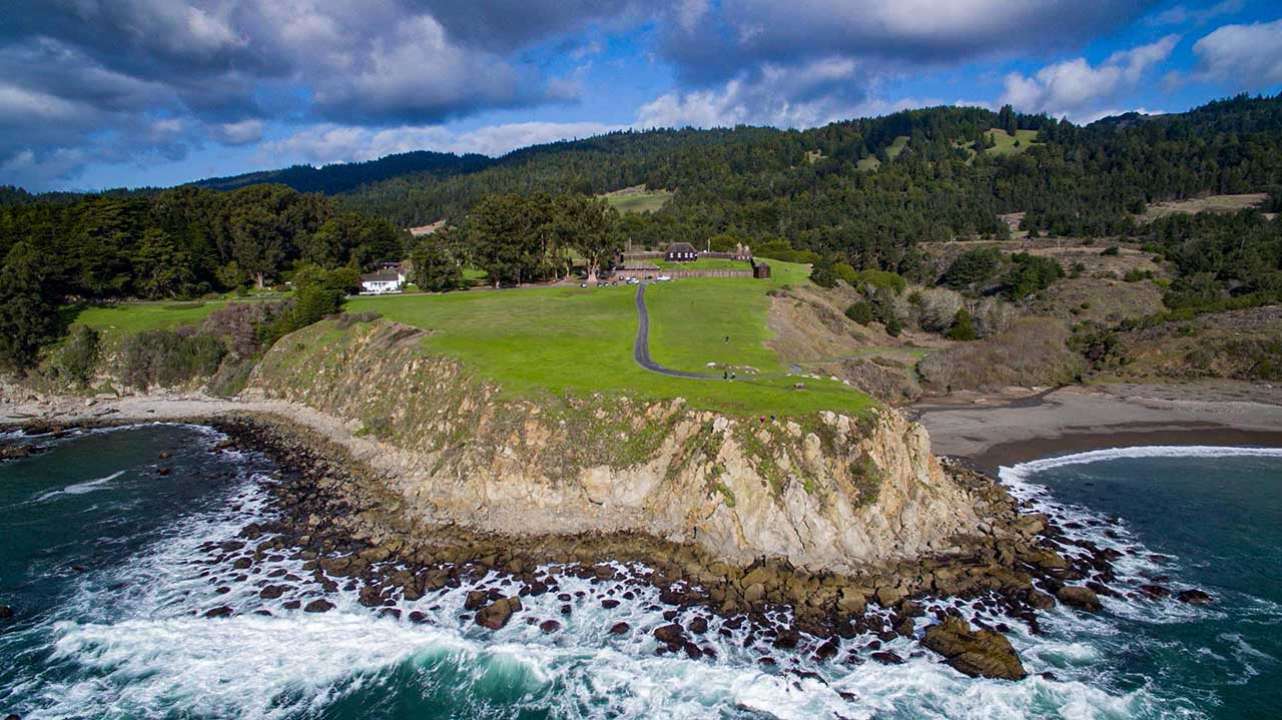
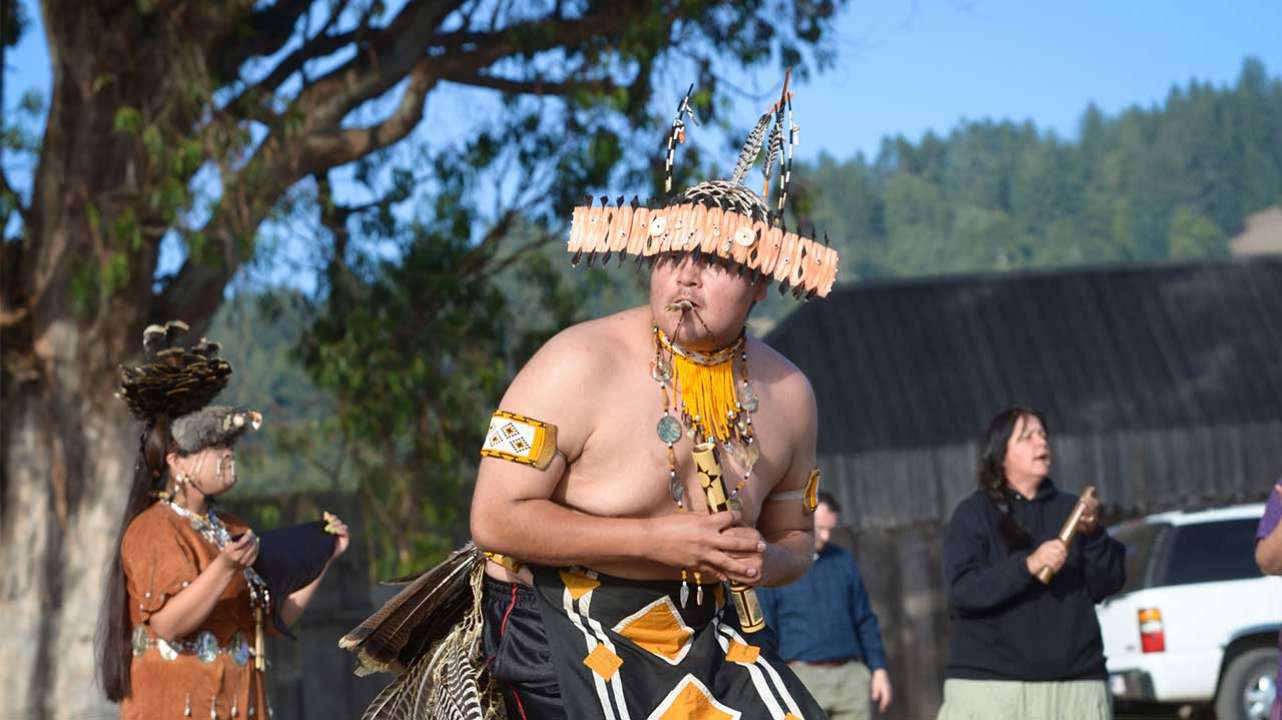
Fort Ross is a California State Historic Park showcasing a historic Russian-era fort compound designated a National Historic Landmark. Russians settled on the ancestral Kashia Pomo lands called Metini and the Kashia are still very much a part of the community today. Located 11 miles north of Jenner on scenic California Highway One, Fort Ross is surrounded by sandy beaches, panoramic coves, and redwood forests, with breathtaking views of the Pacific Ocean. Salt Point State Park, 8 miles north of Fort Ross, covers 6,000 acres on the coast of Northern California, with two campgrounds, 20 miles of hiking trails, and over 6 miles of rocky coastline. These destinations offer pristine landscapes, recreation and camping, fascinating history, underwater parks with fishing, shipwrecks, and scuba diving, and more. Fort Ross Conservancy is the 501(c)(3) nonprofit and California cooperating association that supports both parks.
Connecting people to the history + beauty of Fort Ross + Salt Point State Parks Preserving Educating Recreating ConnectingAbout Fort Ross Conservancy